Why Skin Boosters Are Changing The Conversation Around Skin Health
There has been a noticeable shift in how patients talk about their skin in consultations. Increasingly, the conversation starts with a broader observation: the skin just doesn’t look as healthy or as vibrant as it used to. This is where skin boosters have begun to change the direction of treatment planning, not by replacing established approaches, but by reframing what “good skin” actually means.
Rather than focusing solely on structure or volume, skin boosters are now being considered in relation to hydration, luminosity and overall skin function.
It’s no longer only about targeting individual lines or isolated concerns.
The Biology Behind Changing Skin Quality
What makes this shift interesting is that it reflects a more layered understanding of skin ageing. Patients might still notice texture changes or a loss of glow first, but practitioners are increasingly linking these concerns back to measurable biological changes within the dermis, particularly reduced fibroblast activity, declining glycosaminoglycan levels and slower extracellular matrix turnover.
In this context, skin boosters are not positioned as a quick correction, but as a way of supporting the skin’s internal environment so it behaves in a more balanced way over time.
Skin Boosters & Skin Health: Moving Beyond Surface-Level Correction
Traditionally, aesthetic treatments have often been categorised by the problem they visibly solve. Fine lines were treated in one way, volume loss in another and pigmentation in another. However, skin does not age in separate compartments. It changes as a whole system. This is where skin boosters start to feel more relevant to modern aesthetic practice.
Rather than focusing on a single visible issue, skin boosters are typically associated with improving dermal hydration by increasing the skin’s ability to retain water within the extracellular matrix. That distinction matters, because dehydration, dullness and uneven texture rarely exist in isolation. They tend to appear together when skin function begins to slow down.
In clinic settings, this is often observed in patients who don’t necessarily present with deep lines but still describe their skin as “tired” or “flat”. These are the cases where skin boosters are increasingly discussed as part of a broader skin health strategy rather than a corrective procedure.
Skin Glow As A Marker Of Skin Function
There is also a growing awareness that skin glow is not purely cosmetic. It reflects how efficiently the skin is maintaining moisture, supporting cellular turnover and managing environmental stress. When those processes slow, the visible result is a loss of radiance. This is where skin boosters are often introduced into treatment planning, not as a replacement for other approaches, but as a way of supporting skin quality from a different angle.
The role of hyaluronic acid in this conversation is particularly relevant. Because of its natural ability to retain water, it has become closely associated with hydration-focused aesthetic treatments. Many skin boosters are built around this principle, aiming to improve skin texture without altering facial structure.
When Skin Quality Becomes The Primary Concern
A common scenario in practice involves two patients of similar age presenting with very different concerns. One may be focused on early fine lines, while the other is more concerned about dullness and uneven texture despite relatively minimal wrinkling. In both cases, skin boosters may be discussed, but for different reasons.
The first may be looking to maintain hydration and prevent further visible ageing, while the second is often trying to restore a sense of vitality that feels lost rather than aged.
This difference highlights an important shift in aesthetics: skin quality is increasingly being viewed as a measurable clinical endpoint, encompassing hydration, elasticity, texture homogeneity and dermal integrity rather than isolated aesthetic concerns.
Skin boosters sit within that shift because they address how the skin looks and behaves as a whole, rather than targeting a single feature.
The Shift From Correction To Regeneration
In day-to-day practice, one of the more common observations is that patients often struggle to describe what they want beyond “better skin”. A practitioner might see someone who maintains a consistent skincare routine, avoids obvious ageing signs, yet still feels dissatisfied with how their skin reflects light or responds to makeup.
In these conversations, skin boosters tend to come up only after a discussion about skin function rather than appearance alone. It is rarely a first-line request. Instead, it emerges when patients begin to understand that hydration and texture are not just surface concerns, but indicators of deeper skin behaviour.
This is often the point where expectations shift from correction to regeneration.
The Broader Direction Of Modern Aesthetics
The increasing interest in regenerative approaches reflects a wider change in how skin health is being understood. Rather than focusing purely on alteration, there is more emphasis on supporting the skin’s own ability to maintain balance over time.
Within that framework, skin boosters have gained relevance because they align with the idea of working with the skin rather than overriding it.
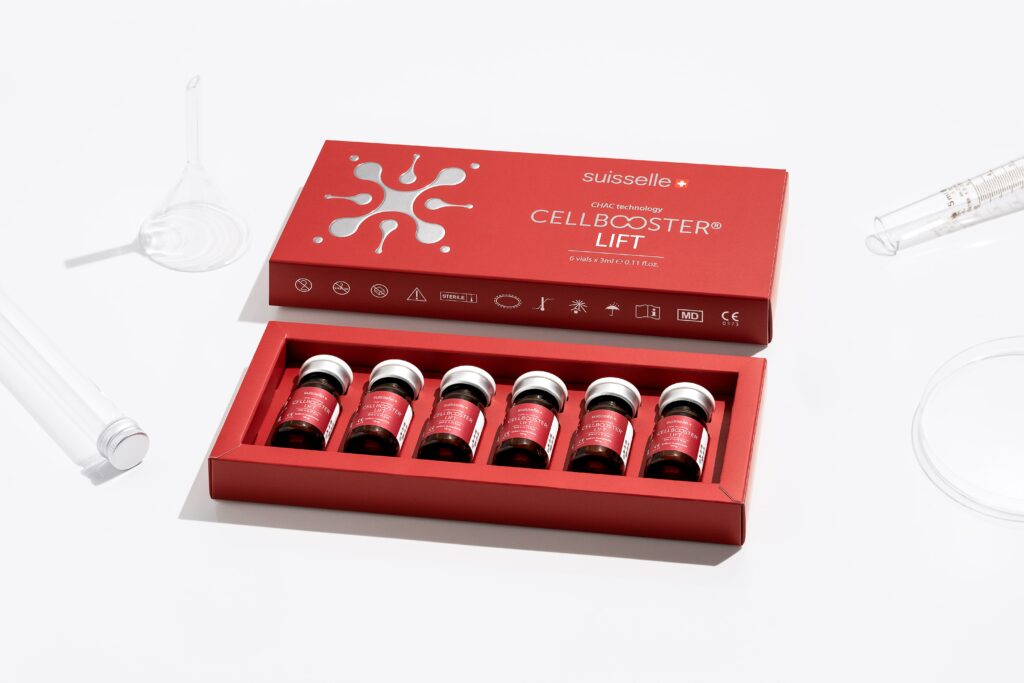
CELLBOOSTER®, a Swiss-made Class III medical device developed using patented CHAC technology, represents this direction in a more defined form.
Rather than acting as a single-function skin booster, it combines stabilised hyaluronic acid with amino acids, vitamins and oligo-elements designed to support multiple biological pathways involved in skin quality.
The idea is not to replace established aesthetic treatments, but to complement them. Where traditional approaches may focus on volume or surface correction, CELLBOOSTER® sits closer to the biology of the skin itself, supporting hydration, elasticity and dermal function at a deeper level.
Restoring Natural Skin Performance
As this approach continues to evolve, treatments are less about creating a visibly different version of someone’s face and more about restoring the conditions in which skin performs well naturally.
Skin boosters have become part of that conversation because they sit at the intersection of hydration, texture and overall skin quality.
What stands out most is not the treatment itself, but the shift in expectation around it. Patients are no longer only asking what can be changed. They are increasingly asking what can be improved at a deeper level.
In that sense, skin boosters are not just a treatment category, but a reflection of where aesthetic medicine is heading.
For more insights like this, follow Suisselle on Facebook and Instagram.
Related Articles
-

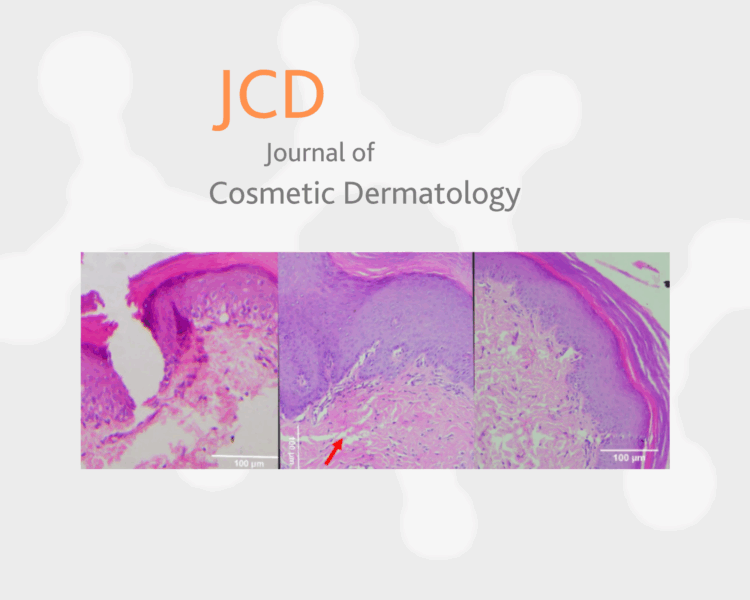
Issue 15: Journal of Cosmetic Dermatology: Skin Wound Healing Following Injecting Hyaluronic Acid Rejuvenating Complex
Skin Wound Healing Following Injecting Hyaluronic Acid Rejuvenating Complex, Polycaprolactone, or Combination Therapy: An Experimental Study Noury Adel, Nenad Stankovic, Gerardo Cervantes, Amira…
Read Article -
Issue 14: AMWC 2025 RESEARCH POSTER: Combining PLLA with treatments containing stabilized HA, vitamin C and L-Carnitine has been shown to improve skin rejuvenation outcomes through a synergistic approach
Click on this link to read the PDF version of the Poster
Read Article -
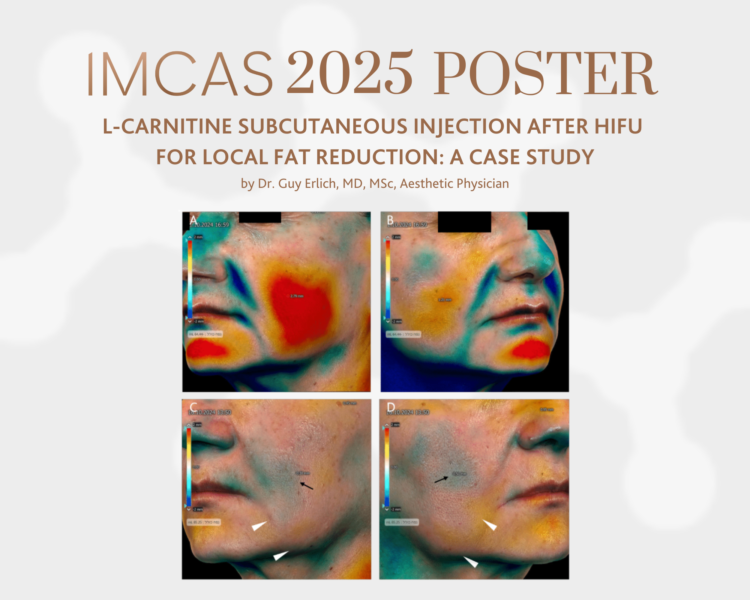
Issue 13: IMCAS 2025 RESEARCH POSTER: L-Carnitine Subcutaneous Injection After HIFU for Local Fat Reduction: a Case Study
Click on this link to read the PDF version of the Poster
Read Article